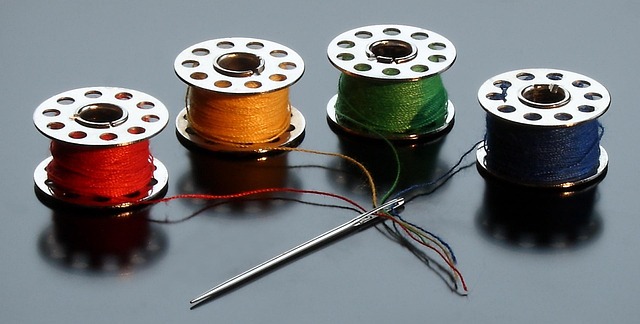
Running stitch, backstitch, and simple edging with large-thread options.
Cutting, pinning alternatives, and keeping pieces aligned without stress.
A simple felt patch that can be stitched onto a bag or stored as a “skill card”. It teaches threading, spacing, and finishing neatly.
Pair with easy craftsSewing for families: a practical approach
The Sewing Studio focuses on beginner confidence, not speed. We break projects into small skills so children can learn by repeating a safe movement, seeing progress, and making simple choices about colour and texture. This is especially helpful for families who want calm, screen-light activities that fit into ordinary routines.
Many of our ideas connect to clothing and accessories in a responsible way, such as adding a patch, replacing a button with help, or making a small fabric tag for a backpack. These projects help children understand how textiles work and encourage a “care and repair” mindset that values long-lasting items.
We also include guidance for adults: how to set up tools, what to supervise closely, and how to support without taking control. A sewing session can be a positive family learning space when expectations are realistic and the steps are clear.
Core skills you can build
These are the building blocks we use across beginner projects. Each skill is taught in a way that is adaptable for different ages and attention spans. When families keep the tools consistent and the sessions short, children often feel more comfortable trying again next time.
Threading and grip
Learn how to hold a needle safely, thread with a simple method, and pause when hands feel tired. We share alternatives like plastic needles and thicker yarn.
Even spacing
Practice placing stitches with a simple “dot guide” on felt or fabric. Children can mark, stitch, then compare patterns without pressure.
Cutting and shapes
Use simple templates to cut shapes that are easy to stitch. We recommend thicker materials for beginners so pieces do not slip.
Finishing neatly
Learn simple finishes like double-stitching and safe knot alternatives. We also show how to tuck thread ends to reduce tangles.
Want a guided session plan?
Explore workshop structures that include roles, timing, and tidy-up steps.
Project ideas: small makes with big learning value
Beginner sewing does not need a sewing machine. Many families start with hand stitching and soft materials, then move toward more detailed work once the child is comfortable. The project ideas below are chosen because they can be completed in short sessions and still feel meaningful. They also support practical skills that connect to everyday family life, such as caring for garments and understanding how fabric behaves.
Each idea can be adjusted: use larger stitches, fewer steps, or pre-cut shapes for younger children. For older children, add pattern choices, simple measuring, and a “design moment” where they decide colours, textures, or a story theme.
Felt patch set
A set of simple shapes stitched on a card. Great for repeating one stitch and seeing progress.
Mini drawstring pouch
A small fabric pouch for treasures or craft bits. Teaches folding, seams, and a simple tie.
Backpack name tag
A fabric tag with stitched initials. A practical project that supports careful letter shapes.
Button practice board
Sew buttons onto a sturdy fabric strip. Focuses on repetition and careful threading.
Safety and supervision checklist
- Use age-appropriate needles and scissors; consider plastic needles for early practice.
- Keep pins, small buttons, and beads out of reach for younger children.
- Store tools in a closed box or pouch after each session.
- Pause when frustration rises; short sessions build confidence over time.
Adult supervision is required for any activity involving tools or small parts. Choose materials suitable for your child’s age.
Tell us the age range and the time you have available, and we can suggest a suitable starting plan and materials list.
Contact ErinFocusCommon questions for beginner sewing
Families often ask how to introduce sewing without making it feel complicated. These answers focus on practical first steps, tool safety, and simple ways to keep children interested without pushing for perfect results.
Visit FAQIs sewing suitable for children who are new to crafts?
Yes, with the right setup. Many children enjoy stitching when the materials are thick (like felt) and the steps are short. Start with threading practice and a few stitches, then stop while it still feels positive.
Do you teach sewing machines on ErinFocus?
Our beginner content focuses on hand sewing and safe fabric handling. For families exploring sewing machines, we recommend starting with adult-led demonstrations and following the machine manufacturer’s safety guidance.
What fabrics are easiest for beginners?
Felt and stable cotton are often easiest because they hold shape and do not fray quickly. We also suggest using fabric scraps for practice so children can experiment without worrying about wasting material.
How can I keep a sewing session from feeling frustrating?
Keep sessions short, pre-cut shapes in advance, and aim for a simple finish like a patch or tag. It also helps to model how to undo a stitch calmly and treat mistakes as part of learning.