
- Tray for tools and glue, so clean-up is faster
- Two containers: “paper pieces” and “recycling”
- Drying spot and a timer to end calmly
Beginner crafting ideas for kids
ErinFocus craft ideas are structured so adults can guide with confidence without taking over. We recommend choosing one “core skill” per session, such as cutting along a line, matching colours, or following a simple two-step sequence. This keeps the activity positive and reduces frustration. When children finish quickly, use optional extensions such as adding labels, creating a short story about the craft, or making a second version with different materials.
For families with mixed ages, try a shared theme with different roles. Younger children can sort shapes and apply stickers, while older children cut, assemble, or design a pattern. This approach helps children practise independence while still sharing the same table and conversation.
Materials that work well for beginners
- Coloured paper, card, and recycled packaging
- Washable glue sticks and child-safe scissors
- Washable markers and water-based paints
- Air-dry clay or salt dough for simple shapes
Four craft formats you can repeat
Repeating a familiar format helps children feel capable. You can change the theme, colours, or story, while keeping the steps predictable. Below are four formats we use often across ErinFocus guides.
Collage stories
Build a scene using paper layers. Add a short story prompt so children describe what is happening and why. This supports language practice without pressure.
Shape building
Cut or tear shapes and turn them into animals, vehicles, or patterns. Younger children can sort shapes while older children design the final layout.
Print and stamp play
Use simple stamps made from foam shapes or household items. Focus on rhythm and repeating patterns rather than perfect symmetry.
Recycled makes
Turn clean packaging into props for pretend play, desk organisers, or seasonal decorations. Add labels to practise planning and sorting.
Try beginner sewing and fabric creativity with simple tools and safe habits.
DIY family workshops and projects
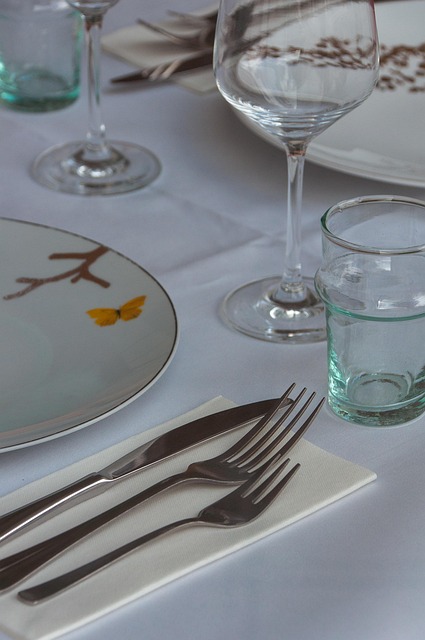
Not every craft needs to be a big event. A “mini workshop” is simply a structured session with a clear start and finish. Families often find that a small routine helps children stay focused and reduces the feeling of rushing. We suggest setting a short welcome moment, a making phase, a share-and-name moment, and a tidy-up. When children help with tidy-up, they learn responsibility and feel ownership of the creative space.
If you are planning a group session, keep materials consistent so children can compare choices without competing. Use a shared theme such as “ocean”, “garden”, or “storybook characters”, and invite children to explain their design decisions. This supports communication and confidence in a gentle, non-performative way.
Workshop structure
Welcome, make, share, tidy. A predictable rhythm supports calm participation.
Adult role
Prepare materials, demonstrate once, then step back to let children lead.
Material choices
Offer a small set of colours and textures to reduce overwhelm and waste.
Storage plan
Keep a labelled folder or box so projects can dry, travel, or be revisited.
Contact us with your group size and theme, and we will reply with practical ideas.
Seasonal creativity and decoration activities
Seasonal crafts can feel special without needing lots of new supplies. ErinFocus encourages families to reuse what they already have and to build a small “season box” with paper shapes, fabric scraps, ribbons, and safe decorative items. Reusing materials helps children learn planning and care for objects. It also makes it easier to return to traditions without starting from scratch.
A simple approach is to create a base decoration that stays the same each year, then add a small new detail that reflects what your family is learning. For example, a paper garland can be refreshed with new colours, labels, or small stitched patches as skills grow.
Browse seasonal projectsIdeas that keep materials reusable
Paper garlands with a storage plan
Use a labelled envelope for shapes, and a ribbon spool so the garland can be rebuilt next season.
Window scenes
Create removable paper pieces for a seasonal story scene that can change every few weeks.
Small handmade tags
Make a set of reusable tags for gifts and baked treats, using thick card and gentle decoration.
Nature-inspired palettes
Collect colours from walks, then recreate them using paper and fabric swatches at home.

Fabric and children’s clothing creativity
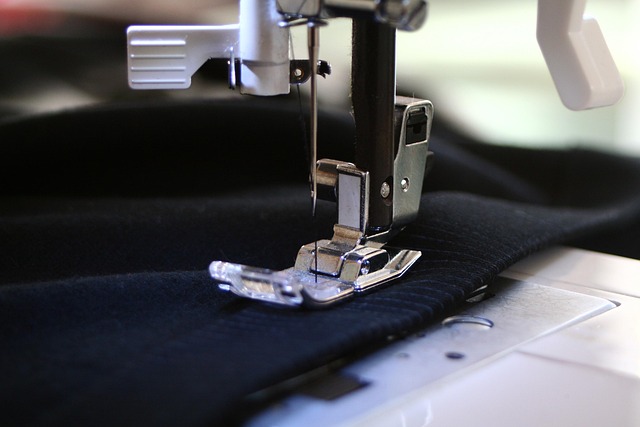
Crafting with fabric can be a gentle entry point into understanding how clothes and accessories are made. ErinFocus focuses on beginner techniques that are safe, simple, and suitable for short sessions. Fabric projects help children notice texture, practise careful handling, and learn that items can be repaired, personalised, and cared for over time. This supports a practical, respectful approach to family products.
If you are new to fabric crafts, start with pre-cut felt shapes or sturdy cotton scraps. Use blunt needles for basic hand stitching and practise on a small sample before beginning a project. Adults should supervise tool use and choose age-appropriate materials.
Explore Sewing StudioStarter fabric activities
These activities are designed to build confidence and safe habits. They are also a good fit for family discussions about caring for clothes, organising a wardrobe, and choosing materials that last.
Stitch cards
Punch holes in card and practise a running stitch with yarn, building coordination and patience.
Simple name labels
Create a soft label for a bag or pencil case using fabric marker and a basic stitch edge.
Patch practice
Decorate a sturdy patch with shapes, then attach it to a fabric sample to practise neat corners.
No-sew accessories
Make a simple wrap, ribbon tie, or fabric bookmark using safe cuts and knot techniques.
FAQ for crafts
Families often ask how to choose the right activity level and how to keep crafts enjoyable when a child becomes frustrated. These answers focus on practical steps you can apply immediately, whether you are crafting at the kitchen table or in a small group setting.
Go to full FAQHow do I pick a craft that matches my child’s attention span?
Choose a project with one main step and one optional step. For example: glue shapes to a page, then add a few details with markers. If your child is engaged, use the optional step. If not, stop after the main step and end with a tidy routine.
What if my child doesn’t want to follow instructions?
Treat instructions as a starting point, not a test. Offer two choices: a colour choice and a shape choice. Children often participate more when they can decide something early. Keep the aim simple, such as “make a scene” rather than “make it look like the example”.
How can I reduce mess without limiting creativity?
Use fewer materials at once and rotate options. A small palette of paper pieces can still create many outcomes. Place glue on a small dish, keep wipes nearby, and define a drying area. Children can still experiment while the space stays manageable.
Where do I find inspiration if we have limited supplies?
Choose a single theme and reuse the same materials in different ways. Paper can become collage, folding, stamping, or cut shapes. Fabric scraps can become texture samples, patches, or simple ties. ErinFocus also shares seasonal projects designed for reuse.